

 E-Paper


How much water should you drink in winter? Doctors warn about hidden risks of dehydration, share tips to stay hydrated
People often assume dehydration occurs only in hot weather, but winter can silently dehydrate us even more, doctors warn. See strategies to combat this.
As temperatures fall, a silent health risk looms: winter dehydration. Contrary to the common assumption that dehydration is primarily a problem associated with hot weather, doctors warn that the colder months can lead to even greater fluid loss, significantly impacting the body's major systems. Also read | Wellness coach shares 5 winter-friendly foods she eats regularly to lower cortisol and manage stress

In an interview with HT Lifestyle, Dr Rahul Mathur, department of internal medicine at CK Birla Hospitals, Jaipur, highlighted the paradox. “People assume dehydration happens only in hot weather, but winters silently dehydrate us even more,” he said, adding, “Low temperatures reduce our thirst response by up to 40 percent, even when our body needs water. Simultaneously, we lose fluids through dry indoor heating, faster breathing in cold air, and increased urination.”

The body-wide impact of low fluid intake
He cautioned that even mild dehydration — just 1–2 percent — can have a cascading negative effect on health. The brain is highly sensitive, and dehydration can lead to fatigue, headaches, and impaired concentration. Moreover, Dr Mathur said that low fluid intake “thickens blood, increasing risks of hypertension, clotting, and cardiac strain, especially in older adults.”
Concentrated urine due to dehydration can result in kidney stones and UTIs, which are common during colder months, he shared, adding that dehydration can stiffen joints and reduce workout performance. Dr Mathur said, “Kidneys are similarly affected since concentrated urine leads to kidney stones and UTIs, which are common during colder months. Skin and mucosa suffer as reduced hydration compromises the skin barrier, causing dryness, cracked lips, and weakening immunity in the nose and throat. Joints and muscles can also feel the strain because dehydration stiffens joints and reduces workout performance.”
Hydration goals and strategies
Dr Sandeep Patil, chief intensivist at Fortis Hospital, Kalyan, shared with HT Lifestyle that the fundamental role of water, which makes up 60 percent of the body: “Water is essential for the daily functioning of the body. All body fluids contain water. Along with water, waste material is excreted through the kidneys. For the digestion and absorption of nutrients, water is essential in the gut.”
He recommended a daily water requirement of around 13 cups for men and 9 cups for women, and around 3 to 4 cups per day for children. “In cold weather, people tend to wear layers of clothing, which leads to overheating and perspiration, and fluid loss, which is not recognised,” Dr Patil explained. A simple check for dehydration, he suggested, is to look at your urine: dark colour and less quantity indicate a need for more fluids.

Diet focus for the non-thirsty
For those who simply don't feel thirsty, both doctors advocate for a strategy focused on incorporating water-rich foods and beverages:
Fluid target: Dr Mathur suggested adults should consume 2–2.5 litres/day, including fluids from soups and fruits. Elderly individuals or those with specific conditions (like heart or kidney disease) should seek personalised medical advice.
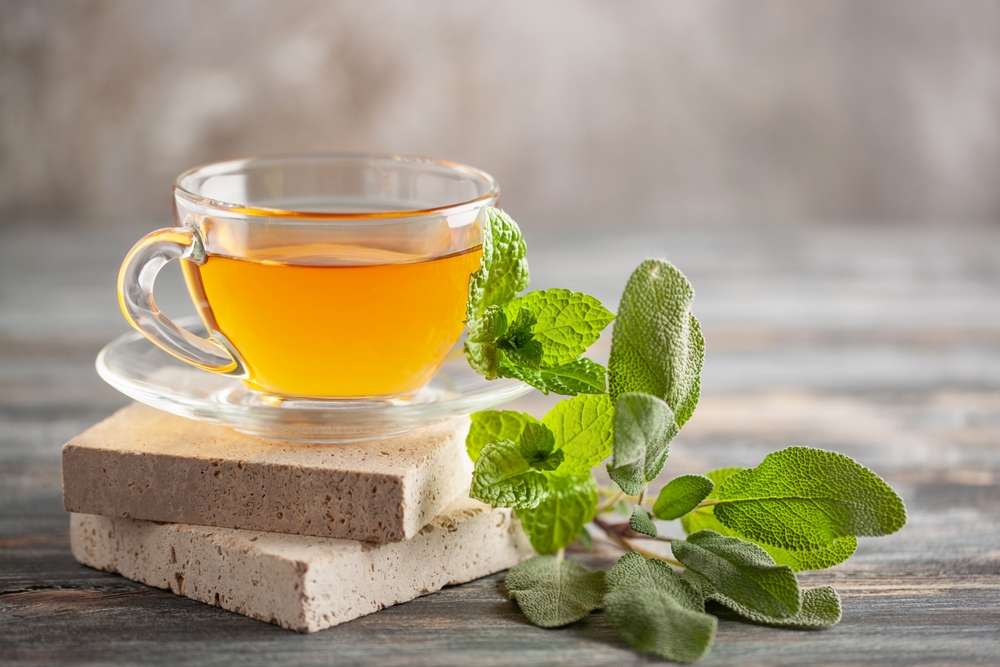
Warm options: Warm water, clear soups, and herbal teas (like chamomile or ginger) are excellent, comforting options that aid hydration, Dr Mathur added.
Fruit and vegetable power: Dr Mathur recommended fruits like oranges, kiwi, apples, and pomegranates, and vegetables like cucumbers, tomatoes, and bottle gourds. Dr Patil added watermelon, celery, and leafy greens to the list.
Strategic habits: Dr Mathur suggested keeping a timed water bottle or drinking a glass of water before every meal.
Dr Patil said that to stay hydrated this winter, try these simple diet tips:
1. Water-rich foods: Include foods like watermelon, cucumbers, oranges, and leafy greens in your diet.
2. Herbal teas: Enjoy warm herbal teas like chamomile, peppermint, or ginger tea.
3. Smoothies: Blend hydrating fruits and veggies with coconut water or yogurt.
4. Coconut water: Replenish electrolytes with this natural drink.
5. Warm water with honey and ginger: Boost immunity and hydration.
6. Hydrating snacks: Munch on cucumber sticks, watermelon, or frozen berries.
7. Add water to meals: Make oatmeal, soups, or porridge with extra liquid.
8. Electrolyte-rich drinks: Try coconut water, diluted fruit juices, or ORS solutions.
Avoid the dehydrators
Both experts strongly advise limiting drinks that can worsen dehydration. “It is best to avoid too much caffeine, alcohol, and sugary energy drinks since they worsen dehydration,” said Dr Mathur. Dr Patil also suggested limiting high-salt, processed foods, which can contribute to fluid imbalance.
He said, “Caffeine and alcohol: both are diuretics, meaning they can increase fluid loss and contribute to dehydration. If you don’t feel thirsty, it’s best to limit caffeine and alcohol intake. Excessive salt can lead to water retention and increased thirst. Processed or packaged foods often contain high levels of sodium, so try to focus on fresh, whole foods.”
Dr Mathur's final advice: “Hydration is not seasonal: our cells don’t know the weather outside; they only know what they need. Listening to your body, and not just your thirst, is the key to staying healthy this winter.”
Note to readers: This article is for informational purposes only and not a substitute for professional medical advice. Always seek the advice of your doctor with any questions about a medical condition.

Catch your daily dose of Fashion, Taylor Swift, Health, Festivals, Travel, Relationship, Recipe and all the other Latest Lifestyle News on Hindustan Times Website and APPs.
Catch your daily dose of Fashion, Taylor Swift, Health, Festivals, Travel, Relationship, Recipe and all the other Latest Lifestyle News on Hindustan Times Website and APPs.

